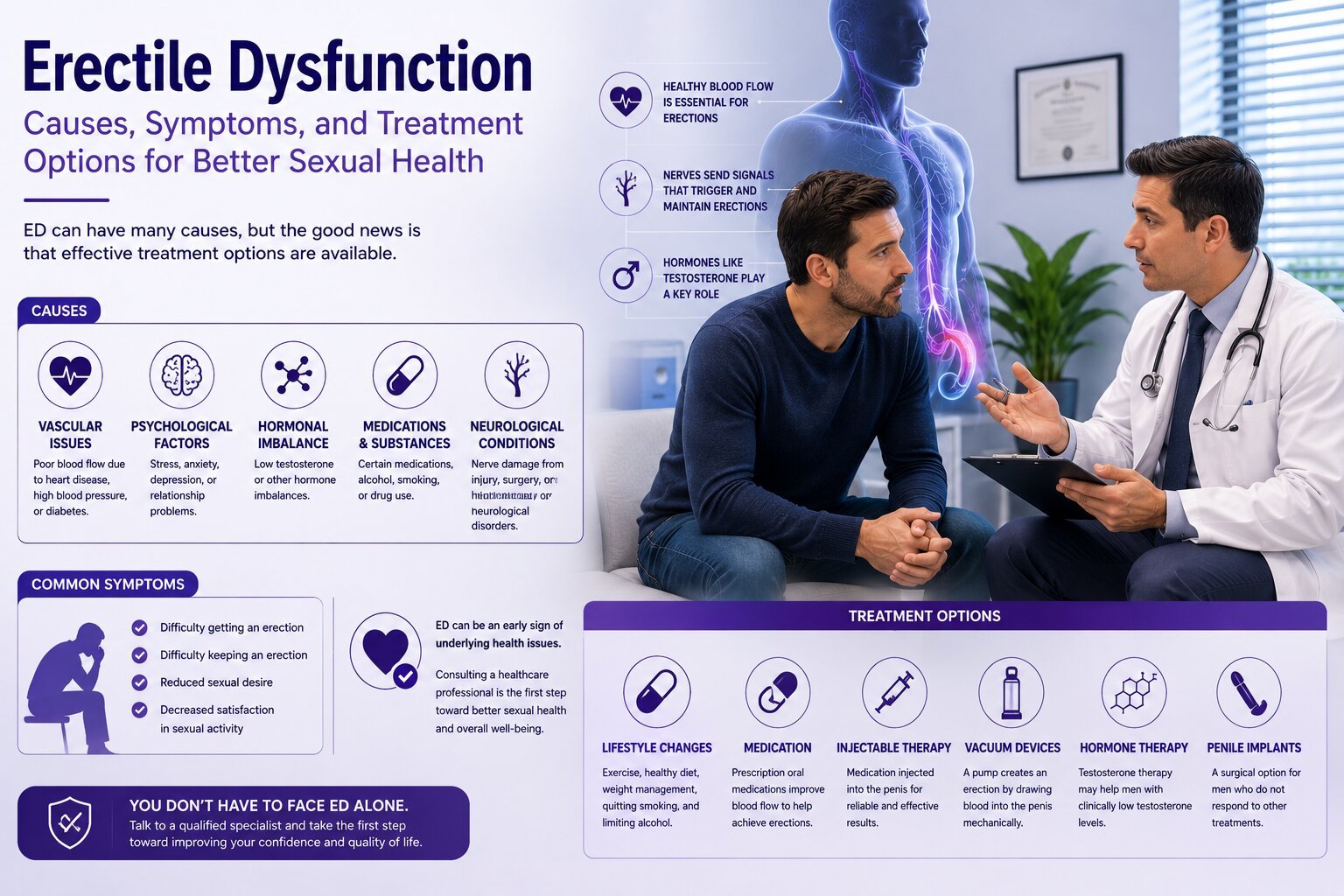
A comprehensive guide to understanding what causes ED and the evidence-based treatments available to help you restore your sexual health.
Erectile dysfunction, often called ED, can turn something that should feel natural into a source of frustration, worry, and sometimes a surprisingly complicated Google search at two in the morning. The good news is that erectile dysfunction is a medical condition with many identifiable causes and several evidence based treatment options. An erection can depend on blood vessels, nerves, hormones, medications, mental health, metabolic health, and sexual stimulation, so an erection problem does not automatically point to one single diagnosis.
ED also deserves a more thoughtful conversation than the idea that it is simply a normal part of getting older. The National Institute of Diabetes and Digestive and Kidney Diseases explains that erectile dysfunction involves difficulty getting or keeping an erection firm enough for sexual activity. Occasional difficulty can happen to almost anyone, particularly during periods of stress, tiredness, heavy alcohol use, or emotional strain. Persistent or recurring problems deserve medical attention because they can sometimes accompany conditions such as diabetes, high blood pressure, cardiovascular disease, hormonal problems, or neurological disorders.
The encouraging part is that erectile dysfunction treatment has come a long way. Depending on the cause, treatment may involve lifestyle changes, counseling, prescription medication, hormone treatment when testosterone deficiency is confirmed, injectable medication, vacuum erection devices, or penile implants for selected patients. The right answer is not necessarily the treatment that worked for a friend, appeared in an advertisement, or showed up in a late night search result. A proper evaluation helps match treatment to the person rather than treating every case of ED as though it were identical.
Erectile dysfunction means having persistent difficulty achieving or maintaining an erection that is firm enough for satisfactory sexual activity. The definition matters because having an erection problem once in a while does not necessarily mean someone has a medical disorder. Sexual function naturally changes with stress, sleep, alcohol consumption, illness, relationship circumstances, and other temporary factors.
Some men with ED can get an erection but lose it before or during sexual activity. Others may achieve an erection only occasionally or find that erections are not as firm as they used to be. Some men may also notice changes in sexual confidence or desire, although reduced sexual desire and erectile dysfunction are not the same condition.
The NIDDK identifies difficulty getting an erection, difficulty keeping an erection, and getting an erection only sometimes as common signs associated with ED. Doctors therefore look beyond a simple yes or no question about erections. They may want to understand when the problem began, whether it happens every time, whether morning erections still occur, whether sexual desire has changed, and whether other health problems are present.
That broader view is important because erectile function can provide information about general health. The blood vessels and nerves involved in an erection also play roles elsewhere in the body. When a person develops persistent ED, particularly without an obvious psychological explanation, a healthcare professional may therefore look for cardiovascular, metabolic, hormonal, neurological, or medication related contributors.
An occasional erection problem is not unusual. Imagine trying to perform a complicated physical task while exhausted, distracted, anxious, or intoxicated. The body does not always cooperate on demand, and sexual function is no exception. One unsuccessful experience does not automatically create a medical diagnosis.
Persistent erectile difficulties are different. If erection problems repeatedly interfere with sexual activity, cause distress, or represent a noticeable change from previous sexual function, discussing them with a healthcare professional makes sense. Waiting does not necessarily make the underlying cause disappear.
This distinction can also prevent unnecessary anxiety. A man who struggles once after a stressful week may not have ED. A man who repeatedly loses erections over several months deserves a proper evaluation. The goal is not to label normal variation as disease, but to recognize when a recurring symptom deserves attention.
The most recognizable erectile dysfunction symptoms involve changes in the ability to achieve or maintain an erection. However, the exact experience can vary considerably. Some men notice a gradual reduction in firmness, while others experience a more obvious change that seems to appear suddenly.
Common symptoms include difficulty getting an erection, difficulty maintaining an erection, erections that are not firm enough for sexual activity, and erections that occur less reliably than before. Some men may still experience spontaneous or morning erections, while others notice that these become less frequent. A change in sexual desire can occur at the same time, but libido has different causes and should be assessed separately.
Doctors also consider the context of the symptoms. If a man can achieve an erection during masturbation but consistently struggles with a partner, psychological or relationship factors may deserve attention. If erections are difficult in every situation, a physical contributor may be more likely, although real life is rarely that tidy. Physical and psychological factors frequently overlap.
The duration and pattern of symptoms matter as well. A recent change after starting a medication may point toward a medication related cause. Gradual changes alongside increasing blood pressure, blood sugar, weight, or cardiovascular risk may suggest another pathway. Pain, penile curvature, changes in ejaculation, urinary symptoms, or neurological symptoms may provide additional clues.
ED should therefore be treated as a symptom that deserves investigation rather than a verdict about masculinity or sexual ability. That distinction can make seeking help much easier.
An erection involves cooperation between the brain, nerves, blood vessels, hormones, and erectile tissue. Sexual stimulation activates signals in the nervous system that promote relaxation of smooth muscle and increased blood flow into the erectile tissues of the penis. As blood enters the erectile tissue, pressure increases and produces rigidity.
That description may sound straightforward, but the process is surprisingly sophisticated. The brain has to respond to sexual stimulation, nerves have to transmit signals appropriately, blood vessels have to dilate, sufficient blood has to reach the penis, and the mechanisms that help retain blood within erectile tissue must function properly. Hormones and psychological state can influence several parts of this process.
This explains why ED can have so many possible causes. A problem with blood vessels can reduce the amount of blood reaching erectile tissue. Nerve damage can interfere with signaling. Certain medications can alter vascular, neurological, or hormonal processes. Anxiety can activate a stress response that makes sexual arousal more difficult. Hormonal disorders can influence desire and erectile function.
The process also explains why doctors do not always treat ED as an isolated sexual problem. Erectile function depends partly on the same systems that support cardiovascular and metabolic health. A thorough assessment can therefore uncover health issues that deserve attention even if the patient initially sought help only because of changes in sexual performance.
There is no single universal answer to the question, what causes erectile dysfunction? ED can result from one factor or several factors working together. Physical causes become more common as men age, but younger men can also experience ED.
Vascular disease is an important contributor because erections require adequate blood flow. Conditions such as atherosclerosis, high blood pressure, diabetes, and cardiovascular disease can damage or impair blood vessels. Neurological disorders can interfere with the nerve signals required for an erection. Pelvic injuries or surgeries can also affect nerves and blood vessels.
Hormonal problems represent another category. Testosterone deficiency can contribute to sexual symptoms, particularly reduced sexual desire, and may contribute to erectile difficulties in some men. Thyroid disorders and other endocrine problems can also affect sexual function.
Medications can sometimes contribute. Some antidepressants, blood pressure medicines, antihistamines, sedatives, hormone related medications, and other drugs may affect sexual function in certain patients. That does not mean a prescribed medication should be stopped. Medication changes should always be discussed with the prescribing clinician.
Psychological and relationship factors matter too. Anxiety, depression, chronic stress, relationship conflict, and fear of sexual failure can interfere with the mental and physical processes involved in erections. A man can also develop anxiety after experiencing ED caused by a physical condition, creating a cycle in which the original problem and the resulting worry reinforce each other.
Physical causes of ED often involve circulation, nerves, hormones, medication effects, or structural changes. Diabetes provides a useful example because long term high blood glucose can damage blood vessels and nerves. Cardiovascular disease offers another because healthy arteries are essential for adequate blood flow.
Neurological conditions can also affect erections. Disorders that interfere with nerve signaling may reduce the ability to respond normally to sexual stimulation. Pelvic surgery or trauma can sometimes affect the nerves and vessels involved in erectile function.
Structural conditions such as Peyronie's disease can cause penile curvature and may make sexual activity difficult. In these situations, simply prescribing an ED medication may not address the entire problem. The underlying condition needs appropriate evaluation.
Physical causes and psychological causes are not mutually exclusive. A man with vascular ED may become anxious about sexual performance, while a man whose primary problem began with anxiety may later experience physical difficulties because of repeated stress. Good ED care recognizes that sexual health involves both the body and the mind.
The connection between cardiovascular health and erectile function is one of the most important reasons persistent ED should not be casually dismissed. An erection requires blood vessels to deliver adequate blood to erectile tissue. Conditions that damage vascular function can therefore affect erections.
High blood pressure, atherosclerosis, diabetes, obesity, and other cardiovascular risk factors are associated with a greater likelihood of erectile dysfunction. The penis contains relatively small blood vessels, and changes in vascular health can sometimes become noticeable through erectile function before a person develops obvious symptoms elsewhere.
This does not mean that every case of ED is an early warning sign of heart disease. It means that persistent ED can provide an opportunity to review cardiovascular risk factors. A doctor may ask about blood pressure, cholesterol, blood sugar, smoking, exercise, weight, family history, and other aspects of health.
This is one reason a responsible erectile dysfunction doctor does more than prescribe a tablet. Medication may help the erection, but identifying uncontrolled blood pressure or diabetes can have much broader benefits for long term health.
The relationship works in the other direction too. Lifestyle habits that support cardiovascular health can also support erectile function. Regular physical activity, avoiding tobacco, maintaining a healthy weight, eating a balanced diet, managing blood pressure, and controlling diabetes can all form part of a broader approach to erectile health.
Diabetes is a well established risk factor for erectile dysfunction. The condition can affect the blood vessels and nerves that contribute to normal erections. Over time, elevated blood glucose can damage small blood vessels and nerves, creating problems that extend well beyond sexual function.
Men with diabetes may therefore have a higher likelihood of experiencing ED, particularly when diabetes has been poorly controlled or has been present for many years. Other diabetes related health problems can also overlap with erectile difficulties, including cardiovascular disease and metabolic complications.
Managing diabetes does not guarantee that ED will disappear, but good glucose management is an important part of protecting overall health. Blood pressure, cholesterol, body weight, physical activity, and smoking status can also influence vascular health.
Doctors may consider blood glucose or other metabolic testing when evaluating a man with ED, particularly when his medical history suggests an increased risk. The exact tests depend on the person's symptoms and health history rather than a one size fits all checklist.
For men living with diabetes, discussing sexual health openly can be valuable. ED is a medical symptom, not evidence of personal failure. Addressing it may lead to better quality of life while also prompting appropriate attention to cardiovascular and metabolic health.
Hormones influence sexual function, but testosterone often receives more attention than it deserves in conversations about erectile dysfunction. Low testosterone can contribute to reduced sexual desire and may contribute to erectile difficulties in some men. However, not every man with ED has low testosterone, and testosterone therapy is not a universal treatment for erectile dysfunction.
A diagnosis of testosterone deficiency generally requires appropriate symptoms together with consistently low testosterone measurements, interpreted by a qualified healthcare professional. Timing and clinical context matter because testosterone levels can vary.
When a man has confirmed testosterone deficiency and relevant symptoms, a clinician may discuss testosterone treatment. In some men who have both testosterone deficiency and ED, treating the hormonal problem may improve aspects of sexual function. Other ED treatments may still be necessary if blood vessel, nerve, medication, or psychological factors remain involved.
This is why buying testosterone products without proper medical assessment is a poor substitute for diagnosis. Hormone treatment has potential benefits and potential risks, and clinicians need to consider the person's broader health, reproductive goals, medications, and medical history.
A sensible ED evaluation treats testosterone as one possible piece of the puzzle rather than assuming every erection problem is caused by a hormone deficiency.
Certain medications can contribute to erectile dysfunction. The list can include some antidepressants, antihypertensive medicines, antihistamines, sedatives, opioid pain medicines, and hormone related treatments. The effect varies by medication and by individual.
That does not mean someone should stop taking a prescription because sexual function has changed. Suddenly stopping certain medications can be dangerous or can cause other health problems. A healthcare professional can determine whether the medication could contribute and whether an alternative, dose adjustment, or different strategy is appropriate.
Smoking is another important consideration because tobacco use damages blood vessels and is strongly linked with cardiovascular disease. Since erections depend on healthy circulation, vascular damage can affect erectile function.
Excessive alcohol use can also interfere with sexual function. Alcohol may affect the nervous system, sexual arousal, hormones, and judgment. Occasional alcohol consumption is different from heavy or chronic use, but men who notice a relationship between drinking and erection problems may benefit from discussing their alcohol intake with a healthcare professional.
Physical inactivity and excess body weight can also increase the burden of cardiovascular and metabolic risk factors. Improving these areas can support general health while potentially helping erectile function.
Sexual function starts in the brain as well as the body. Stress and anxiety can interfere with arousal and make erections more difficult. Depression can reduce sexual interest and affect sexual response. Relationship problems can add another layer of emotional pressure.
Performance anxiety deserves particular attention because it can create a frustrating feedback loop. A man experiences difficulty getting an erection once. He becomes worried that it will happen again. During the next sexual encounter, that worry becomes part of his attention, making relaxation and arousal more difficult. Another unsuccessful experience then reinforces the fear.
The body does not always distinguish between an anxious thought and an immediate threat as neatly as we might wish. Stress can activate physiological responses that are not particularly helpful when someone is trying to become sexually aroused.
Psychological factors can also coexist with physical ED. A man with diabetes or vascular disease may develop anxiety after repeated erection problems. Treating only the physical component may leave part of the problem unresolved.
Counseling, cognitive behavioral approaches, couples counseling, or sex therapy may help selected patients. Treatment should reflect the actual cause rather than assuming ED is either entirely physical or entirely psychological.
An effective erectile dysfunction treatment plan begins with diagnosis. A clinician will generally want to understand the person's medical history, sexual history, medications, lifestyle, and psychological health.
Questions may include when the problem started, whether it occurs every time, whether morning or spontaneous erections still occur, whether sexual desire has changed, and whether ejaculation or orgasm has changed. A clinician may also ask about relationship circumstances and psychological stress.
The physical examination depends on the patient's history and symptoms. It may include assessment of blood pressure, cardiovascular health, genital anatomy, neurological function, and other relevant findings.
Medication review is especially important. Patients sometimes forget to mention over the counter medicines, supplements, recreational substances, or medications prescribed by another clinician. Giving the doctor a complete list makes it easier to identify possible contributors.
Laboratory tests may be recommended when appropriate. Depending on the clinical situation, testing can assess blood glucose, lipid levels, testosterone, thyroid function, or other factors. Not every patient needs every test.
The objective is not to order the largest possible collection of tests. The objective is to identify meaningful causes and risks while avoiding unnecessary investigations.
Talking about sexual function can feel uncomfortable, but the information is medically useful. A doctor needs to know whether the problem involves getting an erection, keeping an erection, sexual desire, ejaculation, orgasm, or several of these areas.
A medical history can reveal important clues. Previous pelvic surgery, neurological disease, diabetes, cardiovascular disease, injuries, medication changes, or significant psychological stress may all change the diagnostic picture.
Sexual history can provide additional information. For example, the presence of morning erections may help clinicians understand the pattern, although it cannot independently prove that ED is psychological. The circumstances in which erections succeed or fail can also be relevant.
A physical examination can help identify conditions such as penile curvature, abnormalities of the testes, signs of hormonal disorders, or vascular concerns. The doctor may also assess general cardiovascular and neurological health.
Being honest during this process is more useful than trying to give the answer you think the doctor expects. ED is common enough that healthcare professionals have heard virtually every version of the story.
There is no single test that diagnoses every case of erectile dysfunction. Doctors choose investigations according to symptoms, medical history, examination findings, and suspected causes.
Blood tests may help identify conditions that contribute to ED. Testing for glucose can help identify diabetes or impaired glucose regulation. Lipid testing can provide information about cardiovascular risk. Testosterone testing may be appropriate when symptoms suggest testosterone deficiency.
In selected cases, specialized testing may provide additional information. Penile Doppler ultrasound can assess blood flow and may be used when a vascular problem needs further evaluation. This type of testing is not automatically necessary for every man with ED.
A clinician may also consider additional investigations when there are signs of neurological disease, endocrine problems, structural abnormalities, or complications related to previous treatment.
The key is targeted diagnosis. More testing is not automatically better testing. The most useful test is the one that answers a clinically relevant question. Men should also be cautious about commercial clinics that promise a definitive explanation from a single unconventional test. ED is a complex condition, and reliable diagnosis should be grounded in established medical assessment.
There is no universal treatment for ED that works equally well for everyone. Treatment depends on the cause, overall health, medications, sexual goals, preferences, and previous response to therapy.
Lifestyle improvement can be important, especially when smoking, inactivity, obesity, diabetes, or cardiovascular risk contributes to ED. Counseling can help when anxiety, depression, or relationship difficulties play a significant role.
Prescription medications called PDE5 inhibitors are commonly used for many men. Other options include injectable medications, vacuum erection devices, and penile implants for selected patients. Testosterone treatment may have a role when genuine testosterone deficiency has been diagnosed.
Treatment often works best when the underlying health problem receives attention at the same time. Giving a man an ED medication while ignoring uncontrolled diabetes or severe cardiovascular risk does not represent comprehensive care.
PDE5 inhibitors include sildenafil, tadalafil, vardenafil, and avanafil. These medicines enhance the natural erectile response by supporting the signaling pathway that promotes increased blood flow to the penis during sexual stimulation. They do not simply switch an erection on automatically. Sexual stimulation remains necessary.
The medicines differ in timing, duration, dosing schedules, and individual response. A healthcare professional can explain which option may be appropriate based on medical history and treatment goals.
Safety matters. PDE5 inhibitors can interact dangerously with nitrate medicines, which are used for conditions including angina. Combining these medications can cause a serious drop in blood pressure. Certain other medicines and health conditions may also affect whether a PDE5 inhibitor is appropriate.
Common side effects can include headache, flushing, indigestion, nasal congestion, dizziness, and visual changes with some medicines. Patients should discuss concerning or persistent side effects with their healthcare professional.
Buying ED medicines from unverified websites can introduce additional risks because counterfeit or contaminated products exist. Prescription treatment should come from a legitimate medical source.
Testosterone therapy has a specific role in medicine and should not be marketed as a universal solution for erectile dysfunction. Men with symptoms consistent with testosterone deficiency and repeatedly low testosterone levels may be evaluated for treatment.
Low testosterone can affect sexual desire and may contribute to erectile problems, but ED frequently involves other mechanisms as well. A man with normal testosterone may have ED related to vascular disease, diabetes, medications, anxiety, or another cause.
When testosterone deficiency is confirmed, treatment decisions require consideration of the person's overall health and reproductive plans. Testosterone therapy can affect sperm production and is not appropriate for every man who wants to improve sexual function.
For some men with confirmed testosterone deficiency and ED, testosterone treatment may improve sexual symptoms, while additional ED treatment may still be necessary.
The important distinction is between medically diagnosed testosterone deficiency and the broad marketing claim that every man with erection difficulties needs testosterone. Those are very different propositions.
Some men do not respond adequately to oral ED medication or cannot take it safely. In such cases, other treatments may be considered.
Injectable ED medicines can increase blood flow within the penis and may produce a reliable erection. These medicines require careful instruction because the dose and injection technique matter. Using too much medication can result in an erection that lasts too long, a medical emergency known as priapism.
A vacuum erection device offers another non surgical option. The device uses negative pressure to draw blood into the penis. A constriction ring can then help maintain the erection for sexual activity.
Vacuum devices may be particularly useful for men who cannot take PDE5 inhibitors or who prefer a mechanical approach. Some men find them highly effective, while others find the equipment less convenient or natural than medication.
The right choice depends partly on personal preference. ED treatment is not just about laboratory results. Convenience, cost, medical safety, relationship circumstances, and the person's comfort with the treatment all matter.
Penile implants can provide a long term treatment option for men with severe erectile dysfunction who do not achieve satisfactory results from less invasive approaches or who prefer a surgical solution after appropriate counseling.
A penile prosthesis is surgically placed inside the penis. Inflatable systems allow the patient to create an erection when desired, while other designs use a simpler mechanical structure.
Because implantation requires surgery, clinicians generally discuss potential benefits and risks carefully. Infection, mechanical complications, and the possibility of additional surgery are among the issues that need consideration.
The benefit is predictability. For appropriately selected patients, an implant can provide a reliable method of achieving penile rigidity without depending on pills or injections.
Penile implant surgery is not usually the first treatment discussed for uncomplicated ED. It is generally considered after evaluation and discussion of other options, although individual circumstances can influence the treatment pathway.
Lifestyle changes can support erectile health, particularly when cardiovascular or metabolic risk factors contribute to ED. They should not be presented as a magical cure, because erectile dysfunction has many causes. However, improving general health can address several mechanisms that contribute to erection problems.
Physical activity is particularly valuable. The NIDDK points to regular physical activity as a way to improve circulation and recommends following federal physical activity guidance, which includes at least 150 minutes of moderate intensity aerobic activity each week for most adults.
Stopping smoking can also support vascular health. Managing diabetes, controlling blood pressure, improving cholesterol, maintaining a healthy weight, getting sufficient sleep, and moderating alcohol intake can all contribute to better overall health.
Diet matters as part of the bigger picture. A heart healthy eating pattern rich in vegetables, fruits, whole grains, legumes, and other nutrient dense foods can support cardiovascular health.
Stress management deserves attention too. Chronic stress can affect sleep, mood, relationships, and sexual function. Exercise, psychological support, relaxation strategies, and treatment for anxiety or depression may help when these factors contribute to ED.
Lifestyle changes are most useful when treated as long term health investments rather than quick fixes. Your blood vessels do not care whether the goal is a healthier heart or a better erection. They benefit from many of the same habits.
The ED treatment landscape continues to evolve, and several emerging therapies have attracted significant public attention. These include platelet rich plasma, commonly called PRP (such as the P-Shot), shockwave based treatments, and other regenerative or device based approaches.
The important issue is evidence. A treatment can sound scientifically impressive without having enough high quality evidence to establish that it is safe and effective for routine use. Early studies can generate promising findings, but promising is not the same as proven.
Patients should therefore ask practical questions before paying for an emerging ED treatment. What evidence supports it? Which professional guidelines recommend it? What risks have been identified? Is the treatment approved or cleared for the specific use being advertised? What established treatments are available?
Claims that a procedure permanently cures ED should receive particular scrutiny. Erectile dysfunction can have many causes, and a single procedure is unlikely to address every possible mechanism.
A qualified healthcare professional can help distinguish established treatment from experimental or insufficiently supported approaches. Patients should be particularly cautious when a clinic guarantees results or uses pressure tactics to sell expensive packages.
A persistent change in erectile function deserves medical attention, particularly when it repeatedly interferes with sexual activity. You should also consider an evaluation if ED appears alongside other symptoms or if you have conditions such as diabetes, high blood pressure, cardiovascular disease, hormonal disorders, or neurological problems.
Sudden ED can have different explanations from gradual ED. A recent medication change, major psychological stressor, injury, or other health event may provide an important clue.
A doctor can also help when ED is causing significant emotional distress. There is no prize for silently worrying about a treatable medical condition. Sexual health is part of overall health, and discussing it with a qualified professional is appropriate.
An ED consultation does not automatically mean taking medication. The first step is understanding what is happening. Once the likely causes have been identified, treatment can be tailored to the individual's health and preferences.
Men who experience chest pain, severe shortness of breath, fainting, or other urgent symptoms during sexual activity should seek appropriate medical attention rather than assuming those symptoms are simply part of ED.
Finding the right ED treatment is less about discovering a miracle solution and more about identifying the factors that are actually affecting erectile function. Two men with the same symptom can have completely different underlying causes.
One man may have uncontrolled diabetes and vascular risk factors. Another may have medication related ED. Someone else may struggle mainly because of performance anxiety after one difficult experience. Another person may have confirmed testosterone deficiency. Their treatment plans should not look identical.
Evidence based treatment provides several options. PDE5 inhibitors are commonly used when medically appropriate. Counseling can help when psychological or relationship factors contribute. Lifestyle changes can support cardiovascular and metabolic health. Vacuum devices, injectable medicines, and penile implants provide additional options for selected patients.
A good treatment plan should also include safety. This means reviewing medications, identifying contraindications, checking relevant health conditions, and discussing potential side effects. It also means being skeptical of unverified supplements and treatments that promise permanent results without strong evidence.
The most useful conversation with a healthcare professional is therefore not simply, βWhich ED pill should I take?β A better question is, βWhat could be causing this, and which treatment is safest and most appropriate for me?β That shift turns erectile dysfunction from a source of embarrassment into a manageable health issue.
Erectile dysfunction is common, but it should not automatically be written off as an unavoidable consequence of aging. Persistent ED can reflect problems involving blood vessels, nerves, hormones, medications, metabolic health, mental health, or several factors at once.
The good news is that erectile dysfunction treatment offers many evidence based options. Lifestyle changes, psychological support, PDE5 inhibitor medications, testosterone treatment when medically indicated, injectable medicines, vacuum erection devices, and penile implants can all have a role in appropriately selected patients.
The most important step is identifying the cause rather than guessing. A medical evaluation can help uncover health conditions that may need treatment and can guide a safer, more personalized approach to sexual health.
Get an honest, comprehensive evaluation to uncover the real cause of your erectile dysfunction and explore personalized, effective treatment options.
All appointments are with Dr. Nina Gupta, MD who has 37 Years of clinical experience in men's sexual wellness.
Get a quick call-back from Dr. Nina Gupta's team. We'll answer all your questions and help you find the right treatment plan β at no cost.