Understanding Sexual Performance and Why It Matters
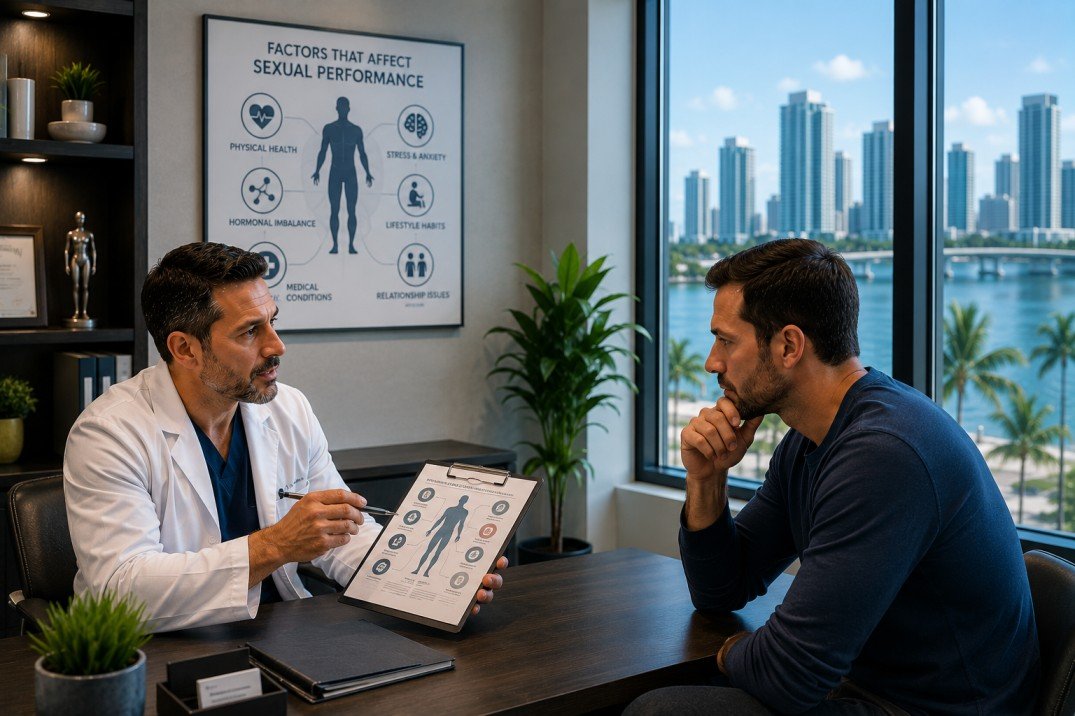
Sexual performance is often viewed through a narrow lens, with many people assuming that problems in the bedroom are simply a result of aging or low testosterone. In reality, sexual health is influenced by a complex combination of physical health, emotional well-being, lifestyle habits, relationship dynamics, and underlying medical conditions. Millions of people experience occasional or ongoing sexual difficulties, yet many never discover the real reasons behind them because they focus only on the symptoms rather than the root causes.
According to the World Health Organization (WHO), sexual health is a state of physical, emotional, mental, and social well-being related to sexuality—not merely the absence of disease or dysfunction. This broader perspective highlights why improving sexual performance requires looking beyond quick fixes or temporary solutions. Whether someone experiences reduced libido, difficulty maintaining an erection, premature ejaculation, vaginal dryness, or reduced sexual satisfaction, understanding the hidden contributors can lead to more effective and lasting improvements.
This guide explores the lesser-known causes of poor sexual performance, explains how different factors interact, and provides practical strategies supported by current medical understanding.
What Is Considered Healthy Sexual Performance?
Healthy sexual performance cannot be measured by duration alone or by comparing oneself with others. Instead, it reflects an individual's ability to enjoy satisfying sexual experiences without persistent pain, anxiety, or dysfunction. For some couples, intimacy several times a week feels ideal, while for others, less frequent encounters are equally fulfilling. Satisfaction, mutual consent, emotional connection, and comfort are far more meaningful indicators than arbitrary numbers.
Healthcare providers generally consider sexual function healthy when desire, arousal, orgasm, and overall satisfaction occur without recurring problems that cause emotional distress. Temporary changes due to stress, illness, fatigue, or major life events are completely normal and usually resolve naturally. Persistent difficulties lasting several months, however, deserve medical evaluation because they may indicate underlying health conditions.
Healthy sexual performance also includes effective communication between partners. Discussing preferences, concerns, and expectations reduces misunderstandings and decreases anxiety, allowing intimacy to become more relaxed and enjoyable. Couples who openly communicate often report higher levels of satisfaction regardless of age.
Common Myths That Create Unrealistic Expectations
One of the biggest hidden causes of poor sexual performance is misinformation. Society often promotes myths that create unnecessary pressure, making perfectly normal experiences seem like medical problems. These misconceptions increase anxiety and reduce confidence, creating a cycle that negatively affects intimacy.
A common myth suggests that men should always be ready for sex and never experience erectile difficulties. In reality, temporary erection problems are common and can occur because of fatigue, stress, alcohol consumption, or emotional distractions. Occasional issues are not necessarily signs of erectile dysfunction.
Another widespread misconception is that sexual performance depends solely on testosterone levels. Although testosterone plays an important role in libido, numerous other hormones, blood circulation, nerve function, emotional health, sleep quality, and medication use significantly influence sexual function. Increasing testosterone without addressing these other factors rarely solves the underlying problem.
Finally, the belief that sexual problems should be handled privately prevents many individuals from seeking professional help. Modern medicine offers effective treatments for many causes of sexual dysfunction, ranging from lifestyle modifications and counseling to medications and specialized therapies. Early intervention often produces better outcomes than waiting until problems become severe.
Physical Health Factors That Affect Sexual Performance
The body functions as an interconnected system, meaning sexual health depends heavily on overall physical well-being. Blood vessels, nerves, hormones, muscles, and the brain all work together during sexual activity. Even minor disruptions in one system can affect desire, arousal, or performance.
Poor Blood Circulation and Cardiovascular Health
Healthy circulation is one of the most critical components of sexual performance because sexual arousal depends on efficient blood flow throughout the body. During arousal, blood vessels expand, allowing increased blood supply to genital tissues. Any condition that narrows or damages these blood vessels can interfere with normal sexual function.
High blood pressure, high cholesterol, atherosclerosis, and smoking gradually damage blood vessel walls, making them less flexible. Over time, this reduces circulation and increases the likelihood of erectile dysfunction in men while also decreasing genital sensitivity and arousal in women. Since the arteries supplying the genitals are smaller than coronary arteries, sexual dysfunction often appears before symptoms of heart disease, making it an important early warning sign.
Hormonal Imbalances
Hormones act as the body's internal messengers, regulating everything from energy levels and mood to metabolism and sexual desire. While testosterone is often the first hormone people associate with sexual performance, it is only one piece of a much larger puzzle. Healthy sexual function depends on the balance of multiple hormones, including testosterone, estrogen, progesterone, thyroid hormones, cortisol, prolactin, and even insulin. When one or more of these hormones fall outside their normal ranges, the effects can gradually become noticeable in the bedroom long before other symptoms appear.
In men, declining testosterone levels can reduce libido, lower energy, decrease muscle mass, and make erections more difficult to achieve or maintain. However, many men mistakenly assume every sexual problem is caused by "low T." Studies published in the Journal of Clinical Endocrinology & Metabolism indicate that true testosterone deficiency is less common than many advertisements suggest. Factors such as obesity, chronic stress, poor sleep, and certain medications often suppress testosterone temporarily, meaning lifestyle improvements or Testosterone Replacement Therapy at P-Shot Miami may restore hormone balance appropriately.
Diabetes and Metabolic Disorders
Diabetes is one of the most common yet underrecognized causes of sexual dysfunction in both men and women. Persistently elevated blood sugar damages blood vessels and nerves throughout the body, including those responsible for sexual arousal and sensation. Because these changes develop gradually, many people fail to connect their declining sexual performance with their metabolic health until symptoms become more severe.
For men, diabetes significantly increases the risk of erectile dysfunction (ED). According to the American Diabetes Association, men with diabetes are substantially more likely to experience ED than those without the condition, often developing symptoms years earlier. High blood glucose damages the small blood vessels that deliver blood to the penis while also affecting the nerves responsible for triggering erections.
Obesity and Lack of Physical Activity
Excess body weight influences sexual performance through far more than appearance alone. Obesity affects nearly every system involved in sexual health, including hormone production, cardiovascular function, energy levels, joint mobility, and emotional well-being. While many people focus solely on weight, it is often the associated health changes—not the number on the scale—that reduce sexual performance.
One of the most significant effects of obesity is its impact on hormone balance. Excess fat tissue converts testosterone into estrogen, potentially lowering testosterone levels in men. Reduced testosterone can lead to decreased libido, fatigue, lower muscle strength, and difficulty maintaining erections.
Mental and Emotional Causes
Stress and Chronic Anxiety
Modern life rarely allows the mind to fully relax. Deadlines, financial pressures, family responsibilities, social expectations, and constant digital connectivity keep many people in a near-continuous state of stress. While occasional stress is a normal part of life, chronic stress quietly disrupts sexual performance by affecting both the brain and the body. Because sexual arousal begins in the mind, emotional overload often becomes one of the earliest and most significant hidden causes of intimacy problems.
When the body experiences prolonged stress, it releases higher levels of cortisol and adrenaline. These hormones prepare the body for survival rather than reproduction. Blood flow is redirected toward muscles and vital organs instead of the reproductive system, while libido naturally declines.
Depression and Emotional Well-Being
Depression affects far more than mood. It changes how the brain processes pleasure, motivation, energy, and emotional connection, all of which play essential roles in healthy sexual function. People living with depression often describe a loss of interest in activities they once enjoyed, and sexual intimacy is no exception.
Neurotransmitters such as dopamine, serotonin, and norepinephrine help regulate both mood and sexual desire. Depression disrupts the balance of these chemicals, making arousal and orgasm more difficult. Fatigue, hopelessness, poor concentration, and low self-esteem further contribute to reduced interest in intimacy.
Relationship Problems and Communication Gaps
Healthy sexual performance rarely exists in isolation from the quality of a relationship. Emotional intimacy, trust, respect, and open communication create the foundation for satisfying physical intimacy. When unresolved conflicts, misunderstandings, or emotional distance develop between partners, they often appear in the bedroom long before they become obvious elsewhere.
One of the most common relationship challenges is poor communication. Partners often assume the other person understands their needs, preferences, or concerns without openly discussing them. Over time, unspoken expectations can lead to disappointment, frustration, and anxiety during intimate moments.
Lifestyle Habits That Quietly Reduce Sexual Performance
Poor Sleep Quality
Sleep is often underestimated when discussing sexual health, yet it is one of the body's most important recovery processes. During sleep, hormones are regulated, tissues repair themselves, stress levels decrease, and the brain restores normal cognitive function. Consistently poor sleep disrupts these essential processes, affecting libido, energy, mood, and physical performance.
Testosterone production illustrates this connection clearly. In men, a significant portion of daily testosterone is produced during deep sleep. Chronic sleep deprivation can lower testosterone levels, contributing to reduced sexual desire, fatigue, and decreased erectile quality.
Smoking, Alcohol, and Recreational Drugs
Many lifestyle habits that appear harmless in social settings can quietly undermine sexual performance over time. Smoking, excessive alcohol consumption, and recreational drug use each affect different aspects of sexual health, often creating gradual changes that become noticeable only after months or years.
Smoking damages blood vessels throughout the body by promoting inflammation and reducing the flexibility of arteries. Since healthy blood flow is essential for arousal and erections, smokers face a significantly higher risk of erectile dysfunction compared to non-smokers. Smoking also reduces nitric oxide production, a key molecule responsible for relaxing blood vessels during sexual arousal.
Poor Diet and Nutrient Deficiencies
The foods consumed every day influence far more than body weight. Nutrition affects hormone production, blood vessel health, energy levels, inflammation, and brain function—all of which contribute to sexual performance. A diet high in processed foods, refined sugars, and unhealthy fats gradually increases the risk of obesity, diabetes, cardiovascular disease, and hormonal imbalances, creating conditions that interfere with healthy sexual function.
Healthy blood circulation relies on flexible arteries and adequate nitric oxide production. Diets rich in vegetables, fruits, whole grains, legumes, nuts, seeds, and healthy fats support vascular health by reducing inflammation and improving cholesterol levels.
Excessive Pornography Consumption
Pornography itself is a complex and often controversial topic, and its effects vary widely among individuals. Many adults consume pornography without experiencing significant problems. However, for some people, excessive or compulsive use may influence sexual expectations, arousal patterns, and relationship satisfaction.
One concern is the development of unrealistic expectations. Commercial pornography often portrays exaggerated scenarios, idealized body types, and highly scripted performances that differ substantially from real-life intimacy. Frequent exposure may lead some individuals to compare themselves or their partners with unrealistic standards, increasing dissatisfaction or performance anxiety.
Medications and Medical Conditions
Prescription Drugs That Affect Libido
Many prescription medications improve health and save lives, yet some may have unintended effects on sexual function. These side effects are often overlooked because patients may feel uncomfortable discussing them or may not realize their medication is contributing to the problem.
Medications commonly associated with sexual side effects include certain antidepressants, blood pressure medications, antipsychotics, anti-anxiety drugs, opioid pain medications, and some treatments for enlarged prostate conditions. Depending on the medication and the individual, side effects may include reduced libido, erectile dysfunction, delayed orgasm, difficulty reaching orgasm, or decreased vaginal lubrication.
Chronic Illnesses That Influence Sexual Health
Numerous chronic medical conditions can affect sexual performance, even when they do not directly involve the reproductive system. Heart disease, kidney disease, neurological disorders, autoimmune diseases, chronic pain conditions, and certain cancers may influence libido, physical stamina, circulation, nerve function, or emotional health.
For example, neurological conditions such as multiple sclerosis or Parkinson's disease may interfere with nerve signaling involved in sexual arousal. Chronic pain conditions can make intimacy physically uncomfortable, while fatigue associated with long-term illnesses often reduces sexual interest.
How to Improve Sexual Performance Naturally
Improving sexual performance begins with improving overall health rather than searching for instant solutions. Evidence consistently shows that sustainable lifestyle changes provide long-term benefits for libido, endurance, confidence, and relationship satisfaction.
Daily Habits That Support Better Sexual Health
| Healthy Habit | Potential Benefit |
|---|---|
| Regular exercise | Improves circulation, stamina, and hormone balance |
| Healthy diet | Supports cardiovascular health and energy |
| Quality sleep | Optimizes hormone production and recovery |
| Stress management | Reduces cortisol and performance anxiety |
| Maintaining a healthy weight | Improves circulation and metabolic health |
| Limiting alcohol and quitting smoking | Enhances blood flow and nerve function |
| Open communication with a partner | Strengthens emotional intimacy |
| Regular medical checkups | Identifies underlying conditions early |
While supplements and herbal products are heavily marketed for sexual enhancement, many lack strong scientific evidence. It is always advisable to discuss supplements with a healthcare professional, especially if you have existing medical conditions or take prescription medications.
When to Seek Professional Help
Occasional changes in sexual performance are normal. However, if symptoms persist for several months, cause emotional distress, interfere with relationships, or occur alongside other health concerns such as chest pain, fatigue, unexplained weight changes, or hormonal symptoms, medical evaluation is recommended. At P-Shot Miami, we offer customized and natural treatments like the P-Shot® for those needing a more comprehensive approach to sexual wellness.
Conclusion
Poor sexual performance is rarely caused by a single issue. More often, it reflects a combination of physical health, mental well-being, relationship dynamics, lifestyle choices, medications, and underlying medical conditions. Understanding these hidden causes allows individuals to move beyond temporary solutions and address the root of the problem.
The encouraging reality is that many contributing factors are manageable. Improving cardiovascular health, maintaining a balanced diet, exercising regularly, prioritizing sleep, reducing stress, communicating openly with a partner, and seeking medical advice when needed can significantly enhance sexual well-being. Rather than viewing sexual health as separate from overall health, recognizing their close connection empowers people to make lasting changes that benefit every aspect of life.