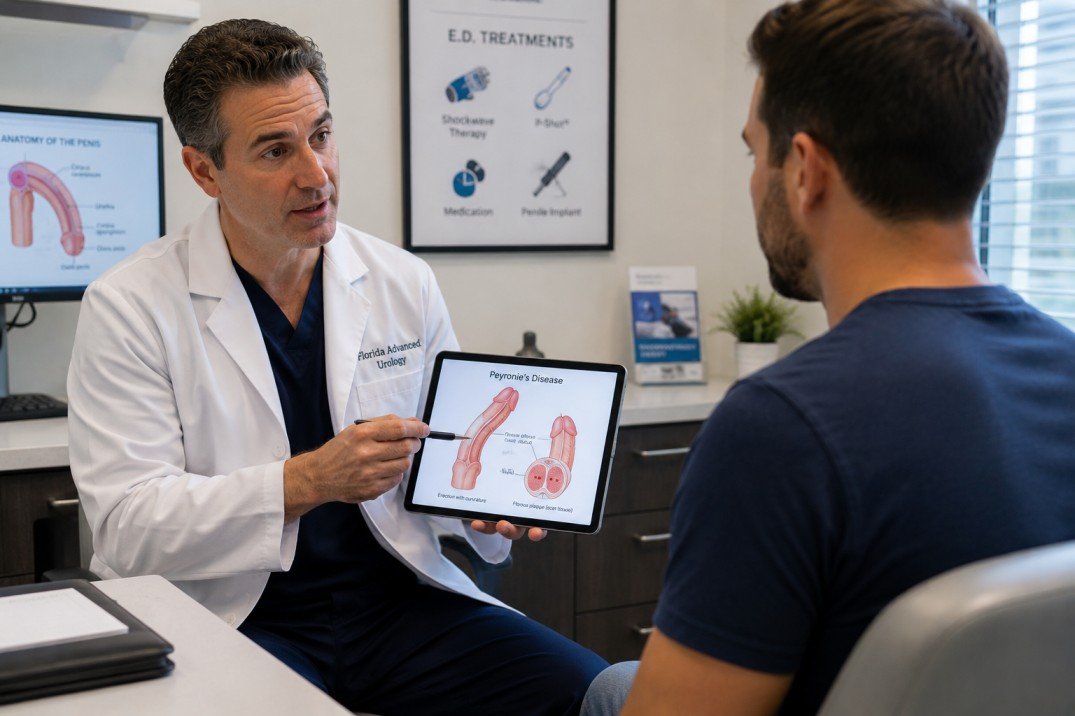
Understanding Peyronie’s Disease
Peyronie’s disease is a condition that affects millions of men worldwide, yet it remains one of the least discussed male health concerns. The condition develops when fibrous scar tissue, commonly referred to as plaque, forms inside the penis. This scar tissue can cause the penis to bend, curve, shorten, or become painful during erections. While some degree of penile curvature can be normal, Peyronie’s disease often involves a noticeable change that interferes with sexual function, confidence, and overall quality of life. For many men, the emotional impact can be just as significant as the physical symptoms. Anxiety, embarrassment, relationship stress, and reduced self-esteem frequently accompany the condition.
One of the reasons Peyronie’s disease can be challenging to treat is that it involves both structural changes and tissue damage. The condition may develop gradually or appear after a penile injury, even one that seemed minor at the time. Historically, treatment options have focused on managing symptoms rather than supporting the body’s natural healing mechanisms. This has led researchers and regenerative medicine specialists to explore therapies that may help improve tissue quality while potentially reducing the progression of scar formation. Among these emerging options, the P-Shot (Priapus Shot) has gained increasing attention as a potentially valuable first-line treatment approach, particularly for men seeking a non-surgical solution early in the disease process.
What Causes Peyronie’s Disease?
The exact cause of Peyronie’s disease is not always clear, but many experts believe it often begins with trauma or microtrauma to penile tissue. This trauma may occur during sexual activity, athletic activity, or other physical events. In a healthy healing response, damaged tissue repairs itself efficiently. However, in some individuals, the healing process becomes abnormal, leading to the accumulation of collagen-rich scar tissue. Over time, this plaque can restrict normal tissue expansion during erections, resulting in curvature or deformity.
Genetics may also play a role. Men with connective tissue disorders, Dupuytren’s contracture, diabetes, or certain autoimmune conditions appear to have a higher risk of developing Peyronie’s disease. Age is another contributing factor, as tissue elasticity and healing capacity naturally decline over time. These factors help explain why Peyronie’s disease often affects middle-aged and older men, although younger men can develop the condition as well.
Because the underlying issue involves damaged tissue and abnormal healing, many healthcare providers are becoming increasingly interested in regenerative therapies. Rather than simply attempting to break down scar tissue, regenerative treatments aim to improve the biological environment surrounding the affected area. This shift in treatment philosophy is one reason the P-Shot has attracted significant interest among specialists treating Peyronie’s disease.
Common Symptoms and Their Impact on Quality of Life
Symptoms of Peyronie’s disease vary considerably from one individual to another. Some men experience only mild curvature with minimal discomfort, while others face severe bending that makes sexual intercourse difficult or impossible. Pain during erections is particularly common during the active phase of the disease, when scar tissue is still developing. Many men also notice a loss of penile length or girth, which can be psychologically distressing.
The emotional consequences are often underestimated. Research has consistently shown that Peyronie’s disease can contribute to depression, anxiety, and relationship difficulties. Men frequently avoid intimacy because they feel self-conscious about changes in appearance or performance. In many cases, erectile dysfunction develops alongside Peyronie’s disease, creating a cycle of frustration and emotional strain.
Because the condition affects both physical and psychological well-being, an ideal first-line treatment should address multiple aspects of penile health while minimizing risk. This is where the P-Shot stands apart from many traditional treatment options. Instead of focusing solely on the visible curvature, the procedure seeks to support tissue regeneration, improve blood flow, and enhance overall penile function.
Traditional Treatment Approaches for Peyronie’s Disease
For decades, Peyronie’s disease treatment has included a variety of approaches ranging from observation to surgery. While some of these methods can be effective in specific situations, many have limitations that make them less appealing as an initial treatment strategy.
Watchful Waiting and Its Limitations
One of the most common recommendations for mild Peyronie’s disease has traditionally been watchful waiting. Physicians may suggest monitoring symptoms over time, particularly when curvature is not severe and pain is manageable. While this approach avoids invasive procedures, it does little to address the underlying tissue damage. For men experiencing anxiety, pain, or progressive changes, waiting can feel frustrating and emotionally taxing.
The challenge with observation alone is that Peyronie’s disease may worsen during its active phase. Scar tissue can continue developing, potentially leading to increased curvature and greater functional impairment. Many patients prefer a proactive approach that may help support tissue health before more significant changes occur.
Oral Medications and Their Effectiveness
Various oral medications have been studied for Peyronie’s disease, including vitamin E, pentoxifylline, and other agents intended to reduce inflammation or fibrosis. Results have been mixed, and many studies have demonstrated limited effectiveness. While some patients report modest benefits, oral therapies generally do not produce dramatic improvements in curvature or plaque reduction.
The relatively modest outcomes associated with oral medications have encouraged both patients and physicians to investigate alternative options. Regenerative medicine approaches have become particularly attractive because they target biological repair mechanisms rather than relying solely on symptom management.
Injectable Therapies
Injectable treatments, including collagenase-based therapies, have become more widely used in recent years. These injections are designed to break down scar tissue and reduce curvature. In certain patients, they can provide meaningful improvements. However, treatment often requires multiple sessions, carries costs that may be substantial, and can involve bruising, swelling, or discomfort.
Although injectable therapies remain important tools in Peyronie’s disease management, they primarily focus on existing scar tissue. By contrast, regenerative treatments such as the P-Shot seek to create a healthier healing environment, potentially offering benefits that extend beyond plaque modification alone.
Surgical Intervention
Surgery is generally reserved for severe or stable cases of Peyronie’s disease where curvature significantly interferes with sexual function. Surgical techniques can correct deformity effectively, but they also carry risks such as penile shortening, sensation changes, infection, and erectile dysfunction. Because of these considerations, surgery is rarely considered a first-line treatment.
Many men understandably prefer to explore less invasive options before considering an operation. This preference has fueled growing interest in regenerative therapies that may help support natural tissue repair while avoiding the recovery period and risks associated with surgery.
What Is the P-Shot?
The P-Shot, short for Priapus Shot, is a regenerative medicine procedure that uses Platelet-Rich Plasma (PRP) derived from the patient's own blood. The concept behind PRP therapy is relatively straightforward yet biologically powerful. Blood contains platelets that are rich in growth factors and signaling proteins involved in tissue repair, cellular communication, blood vessel formation, and healing. By concentrating these platelets and introducing them into targeted areas, practitioners aim to stimulate the body's natural regenerative processes.
The P-Shot has gained attention primarily for its potential role in improving erectile function, enhancing blood flow, and supporting penile tissue health. However, its application in Peyronie’s disease has become increasingly interesting because the condition itself is rooted in abnormal healing and scar formation. Instead of simply attacking scar tissue after it has formed, PRP-based therapies attempt to improve the tissue environment, potentially encouraging healthier remodeling and repair. This regenerative approach aligns closely with modern trends in medicine, where the goal is not only to treat symptoms but also to support the body's inherent healing capabilities.
Unlike surgery, the P-Shot does not involve incisions, tissue removal, or lengthy recovery periods. The procedure is typically performed in an outpatient setting and can often be completed within an hour. Since the PRP is derived from the patient’s own blood, the risk of allergic reactions or rejection is extremely low. This favorable safety profile is one of the reasons many clinicians view the P-Shot as an attractive option for men who want to explore treatment before considering more aggressive interventions.
The Science Behind Platelet-Rich Plasma (PRP)
PRP therapy has been used in various medical fields, including orthopedics, sports medicine, wound care, dermatology, and regenerative medicine. The scientific rationale centers on the fact that platelets contain biologically active compounds such as platelet-derived growth factor (PDGF), transforming growth factor-beta (TGF-β), vascular endothelial growth factor (VEGF), and several other proteins involved in tissue repair and regeneration.
When PRP is introduced into an area of tissue injury or dysfunction, these growth factors may help stimulate cellular activity, improve blood vessel formation, enhance tissue oxygenation, and support healing responses. In Peyronie’s disease, where abnormal scar tissue disrupts normal penile function, regenerative stimulation may offer a fundamentally different strategy compared to treatments designed solely to break down plaque.
Think of Peyronie’s disease as a road that has developed deep cracks after repeated stress and poor repairs. Traditional treatments often focus on removing the visible damage or minimizing its impact. Regenerative medicine, on the other hand, attempts to improve the repair crew itself, creating conditions that may allow healthier reconstruction of the damaged area. While no treatment can guarantee complete reversal of Peyronie’s disease, this philosophy explains why PRP has generated considerable interest among physicians specializing in sexual health and regenerative therapies.
Research into PRP continues to evolve, and while larger clinical studies are still needed, early findings and real-world patient experiences have encouraged many practitioners to include the P-Shot as part of comprehensive Peyronie’s disease treatment programs.
How the P-Shot Procedure Works
The procedure begins with a standard blood draw. The collected blood is then processed in a centrifuge, which separates and concentrates the platelet-rich plasma. Once the PRP has been prepared, it is strategically injected into specific areas of penile tissue. Most providers use local anesthetic techniques to maximize patient comfort during treatment.
The entire process is relatively quick, and many men return to normal daily activities shortly afterward. Recovery tends to be minimal compared to surgical interventions. Some patients experience mild swelling, temporary sensitivity, or minor bruising, but serious complications are uncommon when the procedure is performed by a qualified provider.
Clinics specializing in regenerative men's health often combine the P-Shot with other supportive therapies, such as penile traction, shockwave therapy, lifestyle optimization, or targeted rehabilitation programs. These combination approaches may help maximize outcomes by addressing multiple contributing factors simultaneously.
Men researching treatment options frequently seek experienced providers with specialized expertise in sexual wellness and regenerative medicine. For those exploring treatment in South Florida, resources such as P-Shot Miami provide information about the P-Shot procedure, patient evaluations, and regenerative treatment approaches specifically designed for male sexual health concerns, including Peyronie’s disease.
Why the P-Shot Is Emerging as a First-Line Treatment
The growing interest in the P-Shot as a first-line treatment stems from a simple question: why wait until Peyronie’s disease becomes severe before addressing the tissue health issues that contribute to the condition? Historically, treatment has often focused on advanced symptoms. Today, many specialists believe earlier intervention may offer advantages, particularly when regenerative strategies are involved.
The P-Shot appeals to both patients and practitioners because it addresses several important priorities simultaneously. Men often want a treatment that is minimally invasive, has a favorable safety profile, requires little downtime, and supports overall penile health rather than focusing exclusively on curvature measurements. The P-Shot checks many of these boxes, making it a logical option for consideration early in the treatment journey.
Another important factor is patient psychology. Receiving a diagnosis of Peyronie’s disease can be emotionally overwhelming. Men frequently feel caught between doing nothing and contemplating invasive procedures. The P-Shot offers a middle ground—a proactive intervention that may help support tissue healing without the risks associated with surgery.
The shift toward regenerative medicine mirrors broader trends throughout healthcare. Whether in orthopedics, dermatology, or sexual medicine, physicians increasingly recognize the value of treatments that encourage biological repair mechanisms. The P-Shot represents one of the most prominent examples of this philosophy within men's sexual health.
Addressing Tissue Healing at the Source
One of the strongest arguments for considering the P-Shot as an early treatment option is its focus on tissue quality and healing. Peyronie’s disease is fundamentally a disorder of wound healing. Scar tissue forms because the body's repair process becomes dysregulated. A treatment designed to enhance healthy tissue regeneration therefore aligns directly with the biological processes involved.
While no therapy can completely eliminate scar tissue in every patient, regenerative approaches may help improve tissue flexibility, circulation, and overall function. Improved blood flow is particularly important because healthy erections depend on robust vascular performance. Better circulation may support tissue oxygenation and create an environment more conducive to recovery.
Patients are often surprised to learn that Peyronie’s disease and erectile dysfunction frequently coexist. In some cases, impaired blood flow contributes to both problems. By potentially improving vascular health, the P-Shot may offer benefits that extend beyond curvature concerns alone.
This broader impact is one reason many clinicians view the procedure as more than a niche treatment. Rather than targeting a single symptom, it aims to support multiple dimensions of penile health, which can be especially valuable during the early stages of disease progression.
Minimally Invasive Compared to Surgery
For many men, the decision-making process comes down to risk versus benefit. Surgery can produce significant curvature correction in appropriate candidates, but it also involves operating room procedures, recovery time, potential complications, and permanent structural changes. Understandably, most patients prefer to reserve surgery for situations where conservative measures have been exhausted.
The P-Shot offers a dramatically different experience. There are no surgical incisions, no hospitalization, and typically very little downtime. Most men can resume normal activities quickly, making treatment easier to integrate into everyday life.
This convenience matters more than many people realize. A treatment that fits into a patient's schedule is often more appealing than one that requires weeks of recovery. Increased accessibility may encourage earlier intervention, which could potentially influence long-term outcomes.
The favorable safety profile also contributes to the growing perception of the P-Shot as a reasonable first-line option. Since the procedure utilizes the patient's own platelet-rich plasma, risks associated with foreign substances are minimized. Although all medical procedures carry some level of risk, PRP treatments generally have an excellent safety record when administered by experienced professionals.
Potential Benefits Beyond Curvature Improvement
A key reason the P-Shot continues to gain traction is that many patients report benefits extending beyond Peyronie’s disease itself. While individual outcomes vary, men frequently seek treatment because they hope to improve overall sexual wellness, erectile quality, sensitivity, confidence, and performance.
Peyronie’s disease rarely exists in isolation. The condition often affects multiple aspects of a man's physical and emotional health. A therapy that potentially supports broader sexual function may therefore offer advantages that cannot be fully captured by measuring penile curvature alone.
Quality of life is an important consideration in any treatment plan. Even modest improvements in erectile function, confidence, intimacy, or comfort can significantly impact daily living and relationship satisfaction. For many patients, these practical outcomes matter just as much as clinical measurements.
As awareness of regenerative medicine continues to expand, more men are exploring treatments that prioritize restoration rather than replacement. The P-Shot fits squarely within this evolving treatment philosophy, which helps explain why it is increasingly being discussed as a potentially valuable first-line option for Peyronie’s disease.
P-Shot and Peyronie’s Disease: What Research Suggests
When evaluating any medical treatment, it is important to separate enthusiasm from evidence. The P-Shot has generated considerable interest among patients and practitioners, but understanding the current state of research helps create realistic expectations. The scientific literature surrounding Platelet-Rich Plasma (PRP) and Peyronie’s disease is still developing, yet many experts believe the biological rationale is compelling enough to justify further investigation. Because Peyronie’s disease involves inflammation, tissue injury, fibrosis, and abnormal wound healing, regenerative therapies such as PRP naturally attract attention as potential treatment options.
Several early studies and clinical observations have suggested that PRP may contribute to improvements in penile tissue quality, erectile function, pain reduction, and overall sexual performance. Some physicians have reported positive outcomes when PRP is used as part of a broader treatment strategy that may include traction therapy, lifestyle modifications, and other regenerative techniques. While these reports are encouraging, it is important to recognize that treatment responses vary among individuals. Factors such as the severity of the disease, duration of symptoms, age, vascular health, and overall medical history can all influence outcomes.
One of the challenges in Peyronie’s disease research is that no two cases are exactly alike. Some men present with mild curvature and minimal symptoms, while others experience significant deformity and erectile dysfunction. This variability makes it difficult to compare treatment results across large populations. Despite these challenges, the growing number of clinics offering PRP-based therapies reflects increasing confidence among practitioners who have observed positive patient experiences firsthand.
The current evidence suggests that the P-Shot may be particularly valuable during the earlier phases of Peyronie’s disease, when tissue remodeling is still active and opportunities for biological intervention may be greater. This possibility is one of the primary reasons many regenerative medicine specialists advocate considering the procedure before progressing to more invasive treatment options.
Clinical Findings and Patient Experiences
Clinical outcomes often involve more than just objective measurements. While curvature reduction is important, patients frequently judge success based on their ability to regain confidence, enjoy intimacy, and achieve satisfactory erections. In this respect, patient-reported outcomes have played a significant role in the growing popularity of the P-Shot.
Many men who undergo PRP treatment describe improvements in erection quality, penile sensitivity, and overall sexual satisfaction. Some report a reduction in discomfort associated with erections, while others note that the progression of symptoms appears to stabilize. Although these experiences should not be interpreted as guarantees, they provide valuable insight into why demand for regenerative therapies continues to rise.
Healthcare providers who specialize in men’s sexual health often emphasize that Peyronie’s disease management should focus on the entire patient rather than a single symptom. A man may technically achieve a reduction in curvature yet still struggle with confidence or erectile dysfunction. Conversely, even modest structural improvements combined with better erectile function and reduced anxiety may dramatically improve quality of life.
This broader perspective helps explain why many clinicians view the P-Shot as a holistic treatment option. Rather than concentrating exclusively on plaque destruction, it seeks to support tissue health, circulation, and regenerative activity. Patients are increasingly attracted to treatments that align with this philosophy because they address multiple dimensions of sexual wellness simultaneously.
Limitations of Current Research
While enthusiasm surrounding the P-Shot continues to grow, responsible discussion requires acknowledging the limitations of current evidence. Large-scale randomized controlled trials remain relatively limited compared to more established treatments. Researchers continue to investigate optimal treatment protocols, injection techniques, patient selection criteria, and long-term outcomes.
This does not mean the therapy lacks value. Many medical innovations begin with promising clinical observations before larger studies validate their effectiveness. The history of medicine is filled with treatments that gained acceptance after practitioners observed meaningful patient improvements long before definitive research was available.
Patients considering the P-Shot should understand that results can vary and that no treatment currently offers a universal cure for Peyronie’s disease. Expectations should remain realistic and grounded in a thorough medical evaluation. The most successful treatment plans are typically individualized, taking into account disease stage, symptom severity, erectile function, and personal goals.
As research continues to evolve, the role of PRP in Peyronie’s disease management will likely become clearer. At present, many specialists believe the favorable safety profile, regenerative potential, and patient satisfaction associated with the P-Shot make it a reasonable option to consider early in the treatment process.
Who Is an Ideal Candidate for the P-Shot?
Not every treatment is appropriate for every patient, and the same principle applies to the P-Shot. The best candidates are typically men who have been properly evaluated by a qualified healthcare provider and who understand both the potential benefits and limitations of regenerative therapy. Patient selection is a crucial factor because Peyronie’s disease exists on a spectrum ranging from mild and recently diagnosed cases to severe and long-standing deformities.
The ideal candidate often seeks a proactive approach rather than waiting for symptoms to progress. Men who want to support tissue health, maintain erectile function, and explore non-surgical options frequently find regenerative treatments particularly appealing. Since the procedure is minimally invasive and utilizes the patient's own blood-derived growth factors, it can fit comfortably into a comprehensive treatment strategy focused on preserving long-term sexual health.
Age alone is not necessarily a determining factor. Both younger and older men may benefit depending on their individual circumstances. What matters most is a careful assessment of penile anatomy, symptom history, erectile function, and treatment goals. An experienced provider can help determine whether the P-Shot should be used as a standalone intervention or combined with complementary therapies.
The growing popularity of regenerative medicine reflects a broader shift toward early intervention. Rather than waiting until severe dysfunction develops, many patients now prefer to address concerns before they significantly impact quality of life. This preventive mindset aligns well with the philosophy behind the P-Shot.
Early-Stage Peyronie’s Disease
Many specialists believe that men in the earlier stages of Peyronie’s disease may be among the most promising candidates for regenerative treatment. During the active phase of the condition, tissue remodeling processes are still occurring. This period may represent an opportunity to influence the biological environment before scar tissue becomes fully established and stable.
Early intervention does not guarantee prevention of disease progression, but it may provide advantages that are unavailable once structural changes become permanent. Men who notice recent curvature, penile pain, or subtle changes in erection quality often seek evaluation specifically because they want to avoid future complications.
The concept is similar to addressing a small crack in a foundation before it expands into a major structural issue. While no treatment can promise complete reversal, supporting healthy tissue function early may improve the likelihood of favorable outcomes. This reasoning has contributed significantly to the growing interest in the P-Shot as a first-line treatment option.
Patients who act early often appreciate having access to a minimally invasive alternative that allows them to take meaningful action without committing to aggressive procedures. For many men, this sense of empowerment is itself an important aspect of the treatment experience.
Men Seeking Non-Surgical Solutions
One of the strongest drivers behind the popularity of the P-Shot is the widespread desire to avoid surgery whenever possible. Although surgical correction remains an important treatment option for advanced cases, many patients understandably prefer to explore less invasive alternatives first.
The appeal of regenerative medicine lies in its ability to offer intervention without fundamentally altering penile anatomy through surgical techniques. Men who are concerned about recovery times, procedural risks, or potential complications often find PRP-based treatments more attractive. The ability to return quickly to normal activities adds another layer of convenience.
Many patients also appreciate the fact that the P-Shot can be integrated into a broader wellness strategy. Improvements in cardiovascular health, nutrition, hormone balance, exercise habits, and lifestyle factors may all contribute to better sexual function. Regenerative treatments often work best when viewed as part of a comprehensive plan rather than a standalone solution.
For men who value natural healing mechanisms and wish to explore innovative treatment approaches before considering surgery, the P-Shot frequently emerges as a logical first step.
Choosing the Right Provider
Selecting the right provider is one of the most important decisions a patient can make when considering the P-Shot for Peyronie’s disease. The quality of the evaluation, treatment protocol, and follow-up care can significantly influence the overall experience. Because regenerative medicine continues to evolve, provider expertise matters tremendously.
Patients should seek practitioners who have specific experience treating Peyronie’s disease and who understand both conventional and regenerative treatment options. A thorough assessment should include a discussion of symptom history, disease stage, erectile function, treatment goals, and realistic expectations. Providers who take the time to educate patients often achieve stronger therapeutic relationships and higher patient satisfaction.
Clinics focused on men's sexual health frequently offer comprehensive programs that may incorporate multiple therapies depending on individual needs. For individuals researching treatment options, Dr. Nina Gupta and the team at P-Shot Miami serve as a valuable resource for learning more about the procedure, regenerative medicine principles, and specialized approaches to male sexual wellness. Access to experienced professionals can help patients make informed decisions based on their unique circumstances.
Importance of Experience and Specialized Care
Peyronie’s disease is a complex condition that affects physical, emotional, and relational well-being. Treating it effectively requires more than technical skill alone. The best providers understand the sensitive nature of the condition and approach patient care with discretion, empathy, and expertise.
Experienced practitioners are better equipped to identify appropriate candidates, customize treatment plans, and recommend complementary therapies when necessary. They also understand when alternative treatments may be more suitable based on disease severity or patient goals. This individualized approach helps maximize the likelihood of a positive outcome.
Patients should not hesitate to ask questions about training, experience, treatment protocols, and expected results. An informed patient is often better positioned to make decisions that align with personal health objectives. Ultimately, successful Peyronie’s disease management involves collaboration between patient and provider, with treatment strategies tailored to individual needs rather than a one-size-fits-all formula.
Conclusion
Peyronie’s disease can have a profound impact on a man's physical health, emotional confidence, intimate relationships, and overall quality of life. Traditional treatments such as observation, oral medications, injections, and surgery continue to play important roles, but many of these approaches focus primarily on managing symptoms after significant changes have already occurred.
The P-Shot represents a different philosophy. By utilizing Platelet-Rich Plasma (PRP) and the body's own regenerative capabilities, it seeks to support tissue healing, improve circulation, and promote healthier penile function. Its minimally invasive nature, favorable safety profile, and potential benefits extending beyond curvature correction make it an increasingly attractive option for men seeking early intervention.
Although more research is needed to fully define its role, the biological rationale behind regenerative medicine and the growing number of positive patient experiences have led many specialists to view the P-Shot as a compelling first-line treatment consideration for Peyronie’s disease. For men looking to explore innovative, non-surgical approaches, consulting an experienced provider may be the first step toward restoring both function and confidence.
What We See in Our Practice
At P-Shot Miami, many patients report noticing improved erectile firmness and sexual confidence within several weeks of treatment. We frequently consult with men who are looking for alternatives to daily pills or surgery, and our clinical experience shows that personalized regenerative therapies, such as the P-Shot, can provide significant, long-lasting benefits. Individual results vary depending on age, overall health, and the severity of the condition.
Medical References
- National Institutes of Health (NIH) - U.S. National Library of Medicine. Research on regenerative therapies for men's health.
- American Urological Association (AUA). Guidelines on the management of Peyronie's disease.
- Cleveland Clinic. Overview of Platelet-Rich Plasma (PRP) treatments and clinical applications.
- International Society for Sexual Medicine (ISSM). Patient information on vascular health and sexual function.