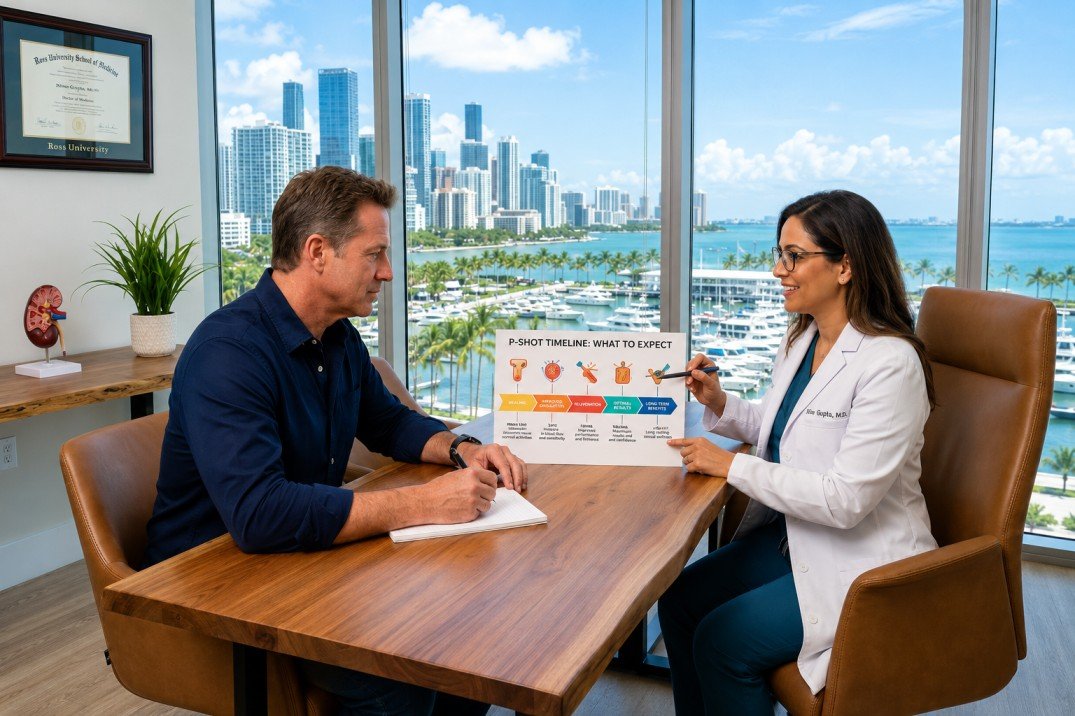
The P-Shot, short for the Priapus Shot, is a non-surgical treatment designed to improve male sexual performance and address issues like erectile dysfunction using the body’s natural healing abilities. The procedure involves drawing a small sample of the patient’s blood, processing it to isolate platelet-rich plasma (PRP), and then injecting the concentrated plasma into targeted areas of the penis. Since the treatment uses the patient’s own blood components, many men view it as a more natural alternative to medication or surgery.
Over the last several years, the P-Shot has gained serious attention in men’s health clinics and regenerative medicine centers. Why? Because many men are searching for treatments that don’t rely on taking pills every time intimacy is involved. Medications like Viagra can work temporarily, but they don’t actually repair tissue or improve blood vessel health. The P-Shot takes a different route by encouraging tissue regeneration and improved circulation.
One of the biggest questions men ask before booking the treatment is simple: “How long will it take before I notice results?” That question makes sense because nobody wants to invest time and money into a treatment without understanding the timeline. The truth is that results vary depending on several factors including age, overall health, and the severity of erectile dysfunction. Some men notice subtle changes within days, while others experience more dramatic improvements after several weeks or months.
The treatment itself is usually completed in under an hour. A numbing cream is typically applied beforehand to minimize discomfort, making the procedure relatively painless for most patients. Because it’s minimally invasive, downtime is limited, and many men return to normal activities the same day. That convenience is one reason the P-Shot continues to attract attention among men looking for modern ED solutions.
Understanding the P-Shot Procedure
What Exactly Is the P-Shot?
The Priapus Shot is based on the therapeutic application of autologous Platelet-Rich Plasma (PRP). During the outpatient session, a certified physician draws blood from your arm, similar to a routine lab test. This blood vial is spun in a specialized medical centrifuge to separate the platelets and growth factors from red and white blood cells, resulting in a highly concentrated serum.
Once the PRP is isolated, it is carefully injected into specific locations in the shaft and glans of the penis using a very fine needle. To ensure full patient comfort, the physician applies a medical-grade local anesthetic numbing cream beforehand, resulting in a virtually painless procedure.
How Platelet-Rich Plasma Works
To understand the timeline of P-Shot results, it helps to know how platelet-rich plasma therapy actually works. Platelets are tiny components in your blood that contain growth factors responsible for healing damaged tissue. Think of them as your body’s built-in repair crew. Whenever you get injured, platelets rush to the area to trigger recovery and cell regeneration.
During a P-Shot procedure, the blood sample is placed in a centrifuge that separates the platelet-rich plasma from other blood components. This concentrated plasma contains a high level of growth factors and proteins that may stimulate blood vessel formation, collagen production, and tissue repair. Once injected into penile tissue, these growth factors begin working beneath the surface.
Unlike medications that create a temporary effect by increasing blood flow for a few hours, PRP therapy aims to improve the underlying condition over time. That’s why results aren’t always instant. The body needs time to regenerate tissue and build healthier circulation pathways. It’s similar to planting seeds in a garden. You water them and provide nutrients, but growth doesn’t happen overnight.
Many patients report increased sensitivity and firmer erections after several weeks because the regenerative process gradually improves blood flow. In some cases, PRP therapy may also help with confidence and performance anxiety because men begin feeling more in control of their sexual health. While clinical research is still evolving, growing evidence suggests PRP has potential benefits for certain patients struggling with erectile dysfunction.
Why Men Choose the P-Shot
Common Reasons Patients Seek Treatment
Men pursue the P-Shot for a surprisingly wide range of reasons. While erectile dysfunction is the most common motivation, it’s far from the only one. Some patients are looking to improve erection firmness, while others want enhanced sensitivity or stronger sexual performance overall. Aging often plays a role as well. As testosterone levels shift and circulation changes with age, sexual performance can gradually decline.
For many men, the emotional side of ED can feel just as frustrating as the physical symptoms. Sexual confidence often affects relationships, self-esteem, and mental health. Some men describe ED as feeling like a “silent stress” hanging over intimate moments. The fear of performance issues can create anxiety that makes the situation worse, almost like a feedback loop.
The P-Shot appeals to patients because it offers a treatment that doesn’t involve daily medication or invasive surgery. Men who experience side effects from ED pills often explore PRP therapy as an alternative. Others choose it because they want a more proactive approach focused on healing tissue rather than masking symptoms temporarily.
Another reason for the treatment’s popularity is discretion. The procedure is quick, requires little recovery time, and doesn’t usually interrupt daily life. Busy professionals especially appreciate treatments that fit into their schedules without requiring extended downtime. In a world where convenience matters, the P-Shot fits neatly into the modern healthcare landscape.
The Growing Popularity of Regenerative Medicine
Regenerative medicine has exploded in popularity over the past decade, and the P-Shot sits right in the middle of that trend. From joint injections to facial rejuvenation treatments, PRP therapy is being used across multiple medical fields because of its healing potential. People are increasingly drawn toward therapies that use the body’s own natural resources instead of relying solely on pharmaceuticals.
Part of this shift comes from changing attitudes toward wellness and aging. Men today are more open about discussing sexual health than previous generations. There’s less stigma attached to seeking treatment, and that openness has encouraged innovation in men’s health clinics around the world.
Social media and online health forums have also contributed to awareness. Patients share experiences, reviews, and timelines, helping others understand what to expect. While personal stories should never replace medical advice, they’ve helped normalize conversations around ED treatments and regenerative therapies.
Clinics offering the P-Shot often highlight its non-surgical nature and minimal side effects. Since the plasma comes from the patient’s own blood, the risk of allergic reaction is very low. That reassurance makes many men feel more comfortable trying the treatment compared to synthetic medications or implants.
How Soon Can You Expect Results From the P-Shot?
Immediate Changes After the Procedure
One of the most common surprises after the P-Shot is that some men notice changes almost immediately. These early effects are usually linked to temporary swelling and increased blood flow caused by the injections themselves. Some patients report a feeling of fullness or mild enhancement in sensitivity within the first 24 to 72 hours.
That said, these immediate effects should not be confused with the full regenerative benefits of PRP therapy. The true healing process takes time because tissue repair and blood vessel growth happen gradually. Think of the first few days as the opening act rather than the entire performance.
Mild soreness or bruising can occur after treatment, but most men tolerate the procedure well. Many return to work the same day or resume normal routines shortly afterward. Doctors often recommend avoiding sexual activity for a brief period to allow the injection sites to heal properly.
Psychological effects can also play a role in the early phase. Men who feel hopeful or excited about the treatment sometimes experience a confidence boost right away. Confidence itself can influence sexual performance, creating positive momentum during recovery.
Short-Term Improvements Within the First Few Weeks
For most men, meaningful improvements begin appearing within two to six weeks after the P-Shot. During this period, platelet-derived growth factors continue stimulating tissue repair and improving circulation. Patients commonly report stronger erections, improved stamina, and enhanced sensitivity.
The timeline varies from person to person. Younger men with mild ED symptoms may respond faster than older individuals with underlying vascular conditions or diabetes. Lifestyle choices matter too. Smoking, poor diet, and lack of exercise can slow healing because blood vessel health directly affects erectile function.
Many doctors encourage patients to be patient during the first month. Regenerative therapies aren’t like flipping a light switch. They work more like renovating a house room by room. Improvements often build gradually, becoming more noticeable over time.
Some patients also combine the P-Shot with other therapies such as shockwave treatment or lifestyle changes for enhanced results. Regular exercise, weight management, and stress reduction can support circulation and maximize treatment outcomes.
Long-Term Results and Continued Benefits
The most significant improvements from the P-Shot often appear after two to three months. By this stage, tissue regeneration has had more time to develop, and many men report noticeable gains in erection quality and sexual satisfaction.
Some patients describe their results as subtle but meaningful, while others experience dramatic improvements. Expectations should remain realistic because outcomes differ depending on medical history and overall health. Men with severe ED caused by advanced cardiovascular disease may require additional treatments or therapies.
Long-term benefits may include:
- Improved erection firmness
- Better localized blood flow
- Enhanced sensation and sensitivity
- Increased self-confidence
- Greater overall sexual satisfaction
One encouraging aspect of PRP therapy is that results may continue improving gradually over several months. The body’s healing processes don’t operate on a strict schedule, and regeneration can continue well beyond the initial treatment period.
Factors That Affect P-Shot Results Timeline
Age and Overall Health
Age is one of the biggest factors influencing how quickly someone sees results from the P-Shot. Younger men often experience faster tissue regeneration because their circulation, collagen production, and healing mechanisms are generally stronger. That doesn’t mean older men can’t benefit from the treatment, but the timeline may be slower because the body naturally repairs itself less efficiently over time. It’s similar to how a small scratch heals quickly in your twenties but takes longer later in life. The same biological principle applies to regenerative therapies like PRP.
Overall health matters just as much as age. Conditions such as diabetes, high blood pressure, obesity, and cardiovascular disease can interfere with blood flow and tissue repair. Since erections depend heavily on healthy circulation, men with vascular issues may require more time before noticing improvements. Smoking can also significantly reduce the effectiveness of the P-Shot because nicotine constricts blood vessels and decreases oxygen delivery to tissues. A body struggling with poor circulation is like trying to water a garden using a kinked hose — the nutrients simply can’t flow efficiently.
Nutrition and physical fitness also influence recovery speed. Men who exercise regularly and maintain balanced diets often support healthier blood vessel function, which may improve PRP outcomes. Hydration is another overlooked factor. Blood plasma quality can be affected by dehydration, potentially impacting the concentration of platelets collected during treatment. Clinics frequently advise patients to drink plenty of water before and after the procedure for this reason.
Mental health plays a role too. Stress and anxiety can contribute to erectile dysfunction by increasing cortisol levels and interfering with sexual performance. Some men become so focused on “checking” whether the treatment worked that they create performance pressure for themselves. Ironically, this stress can temporarily overshadow early improvements. Doctors often encourage patients to focus on gradual progress instead of expecting overnight transformation.
Severity of Erectile Dysfunction
The severity and underlying cause of erectile dysfunction heavily affect how soon results become noticeable. Men with mild ED often respond faster because the penile tissue and blood vessels may still function relatively well. In these cases, PRP therapy simply enhances existing circulation and tissue responsiveness. Improvements can appear within weeks because there’s less damage to repair.
For men with moderate or severe erectile dysfunction, the timeline can be longer. Conditions involving nerve damage, long-term diabetes, prostate surgery, or advanced cardiovascular disease may require additional therapies alongside the P-Shot. Regeneration is possible, but the body may need more time to respond. Think of it like repairing a cracked sidewalk versus rebuilding a heavily damaged bridge — one naturally takes longer and may need more support.
Psychological ED may also respond differently compared to physically driven erectile dysfunction. Men whose symptoms stem largely from stress, relationship anxiety, or confidence issues sometimes notice improvements sooner because the treatment boosts optimism and self-confidence alongside physical healing. The placebo effect shouldn’t be dismissed either. Confidence can significantly affect sexual performance, and feeling proactive about treatment often creates positive momentum.
Some clinics recommend a series of treatments instead of a single session for patients with more severe symptoms. Repeated PRP injections may enhance tissue stimulation over time and potentially produce stronger long-term outcomes. Doctors customize treatment plans based on individual health profiles rather than applying a one-size-fits-all approach.
Lifestyle Habits and Recovery
Lifestyle choices can either accelerate or sabotage P-Shot results. Exercise, sleep quality, alcohol consumption, and stress management all influence blood vessel health and hormone balance. Men who combine the P-Shot with healthier habits often report better and longer-lasting improvements than those who rely solely on the procedure itself.
Regular cardiovascular exercise is especially important because erections depend on healthy blood flow. Activities like walking, cycling, swimming, and resistance training improve circulation throughout the body, including penile tissue. Exercise also supports nitric oxide production, which helps blood vessels relax and expand during arousal. In many ways, the P-Shot works best when paired with habits that naturally support vascular health.
Sleep quality matters more than many men realize. Testosterone production occurs largely during deep sleep cycles, and poor sleep can negatively impact libido and erectile function. Men consistently sleeping fewer than six hours per night may struggle with hormonal imbalance that interferes with sexual performance. It’s difficult for the body to regenerate tissue effectively while operating in a chronic state of exhaustion.
Alcohol and recreational drug use can also affect outcomes. Excessive alcohol consumption impairs nerve communication and blood flow, while certain substances may interfere with hormonal regulation. Doctors often recommend minimizing these habits during recovery to give the body the best chance to heal efficiently.
What the Recovery Process Looks Like
What Happens During the First 24 Hours
The recovery process after a P-Shot is usually straightforward, which is one reason the procedure attracts men looking for minimal downtime. Immediately after treatment, mild swelling, redness, or tenderness may occur around the injection sites. These side effects are generally temporary and resolve within a day or two. Most men describe the discomfort as manageable rather than severe.
Doctors often apply a numbing cream before injections, so pain during the procedure itself is usually limited. Once the anesthetic wears off, some patients notice mild aching or sensitivity similar to soreness after a workout. Ice packs may help reduce swelling if needed, although many men find they don’t require any pain medication at all.
Patients are typically encouraged to stay hydrated and avoid strenuous physical activity for the first day. Proper hydration supports circulation and may help optimize the healing response triggered by platelet-rich plasma. Since the body is beginning a regenerative process, rest can also support recovery during the initial phase.
Sexual activity recommendations vary slightly between providers, but many clinics suggest waiting at least 24 hours before resuming intercourse or masturbation. This precaution allows injection sites to settle and minimizes irritation during the earliest healing phase.
Activities to Avoid After Treatment
Although recovery is relatively easy, there are still certain activities men should avoid temporarily after the P-Shot. Heavy exercise, particularly intense lower-body workouts or activities that place pressure on the groin area, may increase soreness or swelling immediately after treatment. Most doctors recommend avoiding strenuous activity for at least 24 to 48 hours.
Hot tubs, saunas, and prolonged heat exposure may also be discouraged during the early recovery period. Excessive heat can increase inflammation and potentially irritate injection sites. Gentle showers are generally fine, but it’s wise to avoid anything that places unnecessary stress on sensitive tissue while healing begins.
Alcohol consumption should be minimized during the first couple of days because alcohol can interfere with circulation and hydration. Since PRP therapy depends on healthy blood flow and tissue repair, supporting the body’s healing environment is important. Smoking should also be avoided whenever possible, although many doctors encourage long-term smoking cessation because of its strong connection to erectile dysfunction.
How Long Do P-Shot Results Last?
Average Duration of Benefits
One of the most attractive aspects of the P-Shot is that results may last significantly longer than oral ED medications. While pills like Viagra or Cialis typically work for only a few hours, the P-Shot aims to create lasting improvements through tissue regeneration. For many patients, benefits can last anywhere from 12 to 18 months, although individual experiences vary.
Some men notice sustained improvements for even longer periods, especially when they maintain healthy lifestyles and address underlying health issues contributing to erectile dysfunction. Others may experience gradual fading of results over time, particularly if vascular disease, smoking, or hormonal imbalance continue affecting circulation.
The longevity of results often depends on how well the body responds to platelet-rich plasma therapy. Since everyone heals differently, there’s no universal timeline. Younger patients and those with mild ED frequently report longer-lasting outcomes because their tissue repair mechanisms remain stronger. Men with chronic medical conditions may require additional maintenance sessions sooner.
One interesting aspect of PRP therapy is that improvements can feel more natural compared to medication-assisted erections. Rather than forcing blood flow chemically for a limited period, the goal is to improve the underlying quality of circulation and tissue health. Patients often describe the experience as regaining spontaneous function rather than depending on a timed pharmaceutical effect.
Maintenance Treatments and Follow-Ups
Some men choose maintenance treatments to preserve or enhance their results. Follow-up sessions are often recommended annually, although timing depends on the patient’s response and treatment goals. Think of it like maintaining physical fitness — one workout helps, but consistent care usually produces better long-term outcomes.
Clinics sometimes combine the P-Shot with additional therapies such as acoustic wave therapy, testosterone optimization, or lifestyle coaching for more comprehensive sexual wellness plans. These combined approaches may improve circulation and support regenerative processes more effectively than any single treatment alone.
Consistency matters. Men who continue exercising, eating well, managing stress, and addressing cardiovascular health often maintain better results over time. The P-Shot works best as part of a broader strategy for improving overall wellness rather than as a standalone miracle solution.
Comparing the P-Shot With Other ED Treatments
P-Shot vs Viagra and Cialis
When men first hear about the P-Shot, one of the first comparisons they make is with traditional erectile dysfunction medications like Viagra and Cialis. These drugs have dominated the ED treatment market for decades because they can produce fast, reliable erections for many users. But the way they work is fundamentally different from platelet-rich plasma therapy. Understanding those differences helps explain why the P-Shot appeals to a growing number of patients.
Viagra and Cialis belong to a class of medications known as PDE5 inhibitors. These drugs temporarily increase blood flow to the penis during sexual stimulation, making erections easier to achieve and maintain. They are effective for many men, but they don’t actually repair damaged blood vessels or regenerate tissue. In simple terms, they act more like a temporary performance booster rather than a long-term healing solution. Once the medication leaves the body, the effects disappear.
The P-Shot approaches the problem differently. Instead of relying on a chemical trigger, PRP therapy aims to improve the quality of penile tissue and circulation over time. Men seeking more spontaneous sexual function often find this appealing because they don’t want intimacy to revolve around taking a pill on schedule. There’s a psychological freedom that comes from not having to “plan” sexual activity around medication timing.
| Feature | P-Shot | Viagra / Cialis |
|---|---|---|
| Treatment Type | Regenerative PRP therapy | Oral PDE5 inhibitor medication |
| Timeline for Results | 2 to 6 weeks (builds over 3 months) | 30 to 60 minutes |
| Duration of Benefits | 12 to 18 months possible | 4 to 36 hours per pill |
| Primary Goal | Tissue repair and blood flow restoration | Temporary symptom relief |
| Common Side Effects | Mild swelling, temporary bruising | Headaches, facial flushing, nasal congestion |
| Requires Planning | No (spontaneous) | Yes (must time sexual activity) |
P-Shot vs Surgical Treatments
For men with severe erectile dysfunction, surgical treatments such as penile implants may eventually become part of the conversation. Compared to surgery, the P-Shot is dramatically less invasive, which is a major reason many patients try PRP therapy first before considering permanent surgical options.
Penile implant surgery involves placing inflatable or semi-rigid devices inside the penis to create erections mechanically. These procedures often have high satisfaction rates, especially for men with advanced ED who haven’t responded to medications or less invasive therapies. However, surgery carries risks such as infection, device malfunction, anesthesia complications, and extended recovery periods. It’s a serious medical decision rather than a quick office procedure.
The P-Shot provides an intermediate, non-permanent option that feels less drastic while still offering potential improvement. The procedure is minimally invasive, usually completed within an hour, and requires little downtime. Men can typically return to normal activities quickly without the recovery burden associated with surgery.
Are the Results Backed by Science?
Current Research and Clinical Findings
Scientific interest in platelet-rich plasma therapy has grown rapidly over the past decade, including research focused on erectile dysfunction and male sexual performance. While the P-Shot has gained popularity among patients and clinics, researchers continue studying exactly how effective PRP therapy is and which patients are most likely to benefit.
Several small clinical studies have shown promising results. Research suggests PRP may help improve erectile function by stimulating angiogenesis — the formation of new blood vessels — and supporting tissue regeneration. Improved blood flow is essential for healthy erections, so this regenerative effect has attracted significant attention in urology and sexual medicine.
A 2021 review published in the journal Sexual Medicine Reviews noted that early evidence for PRP in erectile dysfunction appears encouraging, particularly for men with mild to moderate ED. Some studies reported improvements in erectile function scores and patient satisfaction after PRP injections. Researchers emphasized that platelet-derived growth factors may enhance tissue repair and vascular health in penile tissue.
What Experts Say About PRP Therapy
Many urologists and regenerative medicine specialists see PRP therapy as an exciting development in sexual health treatment. Experts often describe it as a promising option for men seeking alternatives to medication or surgery, especially those with mild or moderate erectile dysfunction.
Doctors who support the P-Shot frequently highlight its low-risk profile. Since the treatment uses the patient’s own blood plasma, complications are relatively uncommon when performed correctly. For many physicians, the minimal invasiveness alone makes it worth considering before moving toward more aggressive interventions.
For patients, the key is informed decision-making. Consulting licensed medical professionals, reviewing scientific evidence carefully, and maintaining realistic expectations are all important steps before pursuing treatment.
Who Is the Ideal Candidate for the P-Shot?
The ideal candidate for the P-Shot is typically a man experiencing mild to moderate erectile dysfunction who wants a non-surgical, regenerative treatment option. Men looking to improve erection quality, sensitivity, or overall sexual confidence may also explore PRP therapy even if they don’t have severe ED. The treatment often appeals to patients seeking a more natural approach that avoids daily medication dependency.
Candidates usually include men who:
- Experience inconsistent erections or struggle with stamina during intercourse.
- Have reduced sensitivity due to age or other physical changes.
- Cannot tolerate side effects associated with oral PDE5 inhibitors (Viagra/Cialis).
- Want a natural, drug-free solution that preserves spontaneity.
- Seek to boost sexual confidence and relationship intimacy.
Men with blood disorders, active infections, or certain medical conditions may not be ideal candidates for PRP therapy. Safety always comes first, and a responsible provider like Dr. Nina Gupta, MD at P-Shot Miami will carefully evaluate whether the treatment is appropriate for you during a private, comprehensive consultation.
Conclusion
The timeline for seeing results from the P-Shot varies from person to person, but most men begin noticing changes within a few weeks, with fuller benefits often developing over two to three months. Immediate effects such as increased sensitivity or fullness may occur shortly after treatment, but the real regenerative work happens gradually as platelet-rich plasma stimulates tissue repair and improved circulation. Factors like age, overall health, lifestyle habits, and the severity of erectile dysfunction all influence how quickly results appear and how long they last.
What We See in Our Practice
At P-Shot Miami, many patients report noticing improved erectile firmness and sexual confidence within several weeks of treatment. We frequently consult with men who are looking for alternatives to daily pills, and our clinical experience shows that personalized regenerative therapies, such as the P-Shot, can provide significant, long-lasting benefits. Individual results vary depending on age, overall health, and the underlying cause of erectile dysfunction.
Medical References
- National Institutes of Health (NIH) - U.S. National Library of Medicine. Research on regenerative therapies for men's health.
- American Urological Association (AUA). Guidelines on the management of erectile dysfunction.
- Cleveland Clinic. Overview of Platelet-Rich Plasma (PRP) treatments and clinical applications.
- International Society for Sexual Medicine (ISSM). Patient information on vascular health and sexual function.